Best Resume Formats for Different Career Levels in 2026
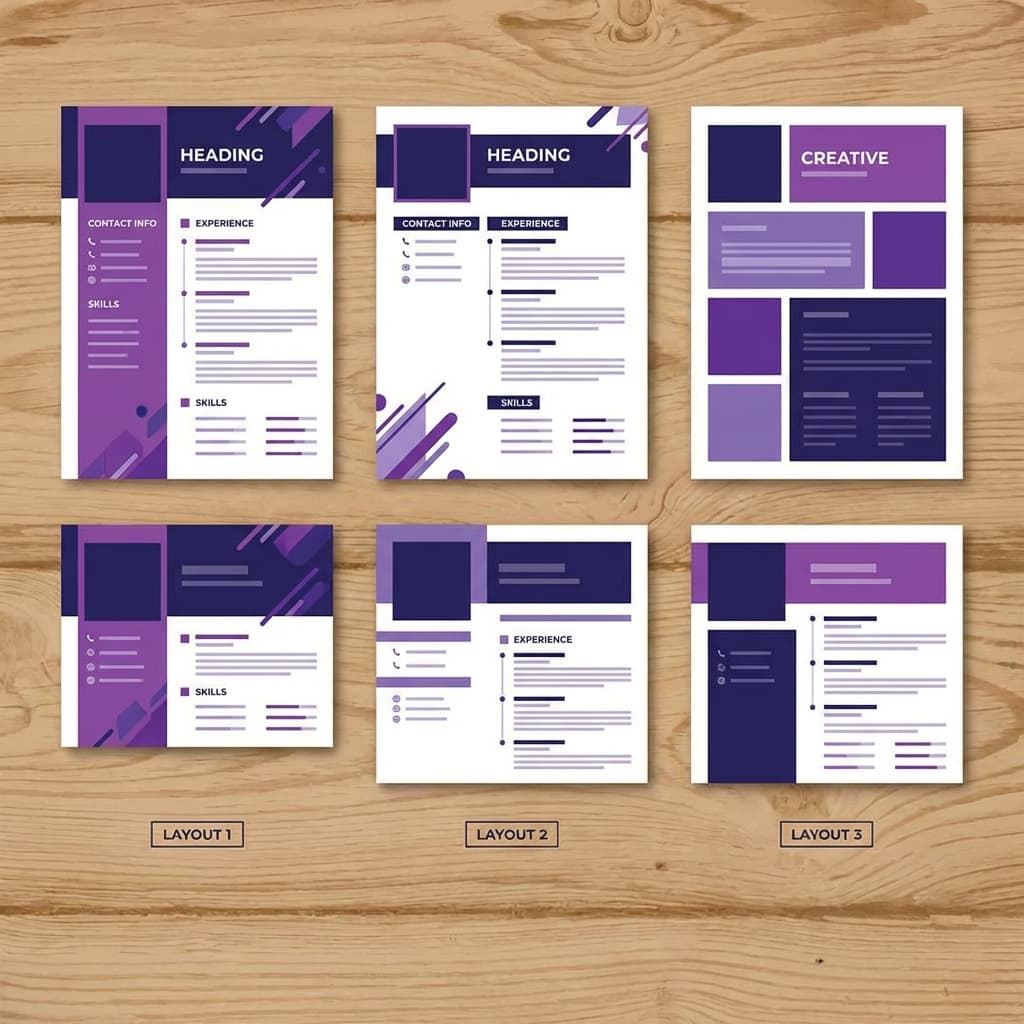
Not all resumes are created equal. The format you choose can make or break your job application, depending on your career stage, work history, and the role you're targeting. A recent graduate needs a different approach than a mid-career professional changing industries, who needs something different from a C-suite executive. This comprehensive guide will help you choose the perfect resume format for your unique situation and career level.
Why Format Matters
Your resume format determines how recruiters process your information in those critical 6-7 seconds of initial scanning. The right format highlights your strengths and minimizes weaknesses. The wrong format can bury your best qualifications or draw attention to gaps you'd rather downplay.
The Three Main Resume Formats
Before diving into career-specific recommendations, let's understand the three primary resume formats and when each works best:
1. Chronological Resume Format
What It Is:
Lists your work experience in reverse chronological order (most recent first). This is the most common and traditional resume format.
Structure:
- Contact Information
- Professional Summary
- Work Experience (reverse chronological)
- Education
- Skills
- Additional Sections (certifications, awards, etc.)
Best For:
- Steady career progression in the same field
- No significant employment gaps
- Staying in the same industry
- Traditional industries (finance, law, healthcare)
Advantages:
- ✓ Most familiar to recruiters and ATS systems
- ✓ Shows clear career progression
- ✓ Easy to scan and understand quickly
- ✓ Highlights recent, relevant experience
Disadvantages:
- ✗ Exposes employment gaps
- ✗ Emphasizes lack of experience for career changers
- ✗ May highlight frequent job changes
2. Functional Resume Format
What It Is:
Focuses on skills and achievements rather than chronological work history. De-emphasizes when and where you worked.
Structure:
- Contact Information
- Professional Summary
- Skills Summary (grouped by category)
- Relevant Achievements
- Brief Work History (company, title, dates only)
- Education
Best For:
- Career changers with transferable skills
- Significant employment gaps
- Frequent job changes
- Re-entering workforce after extended absence
- Recent graduates with limited work experience
Advantages:
- ✓ Highlights relevant skills regardless of when acquired
- ✓ Minimizes employment gaps
- ✓ Emphasizes transferable skills for career changers
- ✓ Downplays lack of direct experience
Disadvantages:
- ✗ Many recruiters are skeptical of this format
- ✗ Can raise red flags about what you're hiding
- ✗ Some ATS systems struggle to parse it
- ✗ Doesn't show career progression
3. Combination (Hybrid) Resume Format
What It Is:
Blends the best of both chronological and functional formats. Leads with skills but includes detailed work history.
Structure:
- Contact Information
- Professional Summary
- Skills Summary or Core Competencies
- Work Experience (reverse chronological with achievements)
- Education
- Additional Sections
Best For:
- Mid-career professionals with diverse skills
- Career changers with some relevant experience
- Highly skilled professionals in technical fields
- Senior-level candidates
- Candidates with strong work history AND specialized skills
Advantages:
- ✓ Showcases both skills and experience
- ✓ Flexible and customizable
- ✓ Works well for diverse backgrounds
- ✓ ATS-friendly when done correctly
Disadvantages:
- ✗ Can become lengthy (often 2 pages)
- ✗ Requires careful organization to avoid redundancy
- ✗ More complex to create effectively
Best Format by Career Level
Entry-Level & Recent Graduates (0-2 Years Experience)
Recommended Format: Chronological or Combination
Why:
Even with limited experience, chronological format works because it shows your education prominently and any internships, part-time jobs, or volunteer work in clear progression. Combination format works if you have strong relevant skills from coursework or projects.
What to Emphasize:
- Education (GPA if 3.5+, relevant coursework, honors)
- Internships and co-op experiences
- Academic projects and capstone work
- Volunteer work and leadership roles
- Technical skills and certifications
- Extracurricular activities that demonstrate leadership
Pro Tips:
- Keep it to 1 page
- Lead with education if it's your strongest asset
- Quantify achievements even from part-time jobs
- Include relevant coursework if it matches job requirements
Early Career (2-5 Years Experience)
Recommended Format: Chronological
Why:
You now have enough work experience to showcase career progression. Chronological format clearly demonstrates growth and increasing responsibility.
What to Emphasize:
- Career progression and promotions
- Quantifiable achievements in each role
- Growing responsibilities
- Skills developed on the job
- Professional development and certifications
Pro Tips:
- Still 1 page unless you have extensive relevant experience
- Move education below work experience
- Focus on results and impact, not just duties
- Highlight any leadership or mentoring roles
Mid-Career (5-15 Years Experience)
Recommended Format: Chronological or Combination
Why:
Chronological works if you're staying in your field. Combination format is better if you're pivoting or have diverse, specialized skills to highlight.
What to Emphasize:
- Leadership and management experience
- Major projects and initiatives led
- Revenue impact and cost savings
- Team size and scope of responsibility
- Industry expertise and specialized skills
- Professional certifications and continued education
Pro Tips:
- 2 pages is acceptable and often necessary
- Summarize or omit early career roles if not relevant
- Focus on last 10-15 years of experience
- Include a strong professional summary that positions your expertise
Senior-Level & Executive (15+ Years Experience)
Recommended Format: Combination
Why:
At this level, both your strategic competencies and your track record matter equally. Combination format lets you showcase executive-level skills upfront while demonstrating career achievements.
What to Emphasize:
- Strategic leadership and vision
- P&L responsibility and budget oversight
- Organizational transformation and change management
- Board-level presentations and stakeholder management
- M&A experience, if applicable
- Industry thought leadership (speaking, publications)
Pro Tips:
- 2-3 pages is standard for executive resumes
- Include an executive summary (not just professional summary)
- Focus on strategic impact, not tactical details
- Highlight board memberships, advisory roles, or industry recognition
- Consider a separate "Key Achievements" or "Career Highlights" section
Special Situations: Which Format to Use
Career Changers
Recommended Format: Combination
Lead with a skills summary that emphasizes transferable skills. Then show your work history with bullet points that highlight relevant achievements, even if from a different industry.
Key Strategy: Reframe your experience to show how it applies to your target role. Focus on universal skills like leadership, problem-solving, and project management.
Employment Gaps
Recommended Format: Combination or Functional
If gaps are significant (1+ years), functional or combination format helps de-emphasize timeline. However, be prepared to explain gaps honestly in interviews.
Alternative: Use years only (not months) in dates to minimize appearance of gaps. Include any freelance, volunteer, or skill-building activities during gaps.
Frequent Job Changes
Recommended Format: Combination
Group similar short-term roles under one heading if they were contract positions. Lead with skills to show consistency in expertise despite job changes.
Example: "Contract Software Developer (Various Clients) | 2020-2023" then list key projects and achievements.
Returning to Workforce
Recommended Format: Combination
Emphasize skills that remain current. Include any volunteer work, freelance projects, or professional development during your absence. Address the gap briefly in your summary.
Industry-Specific Format Preferences
Traditional Industries
Finance, Law, Healthcare, Government
Format: Chronological
Why: Conservative, familiar, emphasizes credentials and progression
Tech & Startups
Software, Digital Marketing, Design
Format: Combination
Why: Highlights technical skills and projects, shows versatility
Creative Fields
Marketing, Advertising, Media
Format: Combination or Creative
Why: Showcases creativity while maintaining professionalism
Consulting & Strategy
Management Consulting, Business Strategy
Format: Combination
Why: Demonstrates both analytical skills and project impact
Quick Decision Guide: Which Format Should You Use?
Choose CHRONOLOGICAL if:
- ✓ You have steady work history in your field
- ✓ You're staying in the same industry
- ✓ You have no significant employment gaps
- ✓ Your career shows clear progression
- ✓ You're applying to traditional/conservative industries
Choose FUNCTIONAL if:
- ✓ You're making a major career change
- ✓ You have significant employment gaps
- ✓ You've had many short-term positions
- ✓ You're re-entering the workforce
- ✓ Your relevant skills come from non-traditional sources
Choose COMBINATION if:
- ✓ You have 5+ years of experience
- ✓ You have both strong skills AND solid work history
- ✓ You're in a technical or specialized field
- ✓ You're targeting senior-level positions
- ✓ You want flexibility to emphasize different aspects
Choose the Right Format with Banana Resume
Banana Resume offers professionally designed templates in all three formats—chronological, functional, and combination. Each template is ATS-optimized and customizable to your career level and industry.
Build Your Resume NowConclusion
The right resume format can make the difference between landing an interview and getting lost in the pile. Choose based on your career level, work history, and target role—not just what looks prettiest.
For most job seekers, chronological format is the safe, effective choice. Career changers and those with gaps should consider combination format. Functional format should be a last resort, as many recruiters view it skeptically.
Remember: format is just the framework. What matters most is the content—your achievements, skills, and the value you bring. Choose a format that showcases your strengths and minimizes weaknesses, then fill it with compelling, quantified achievements that prove you're the right candidate for the job.