Job Search Strategies That Actually Work in 2026
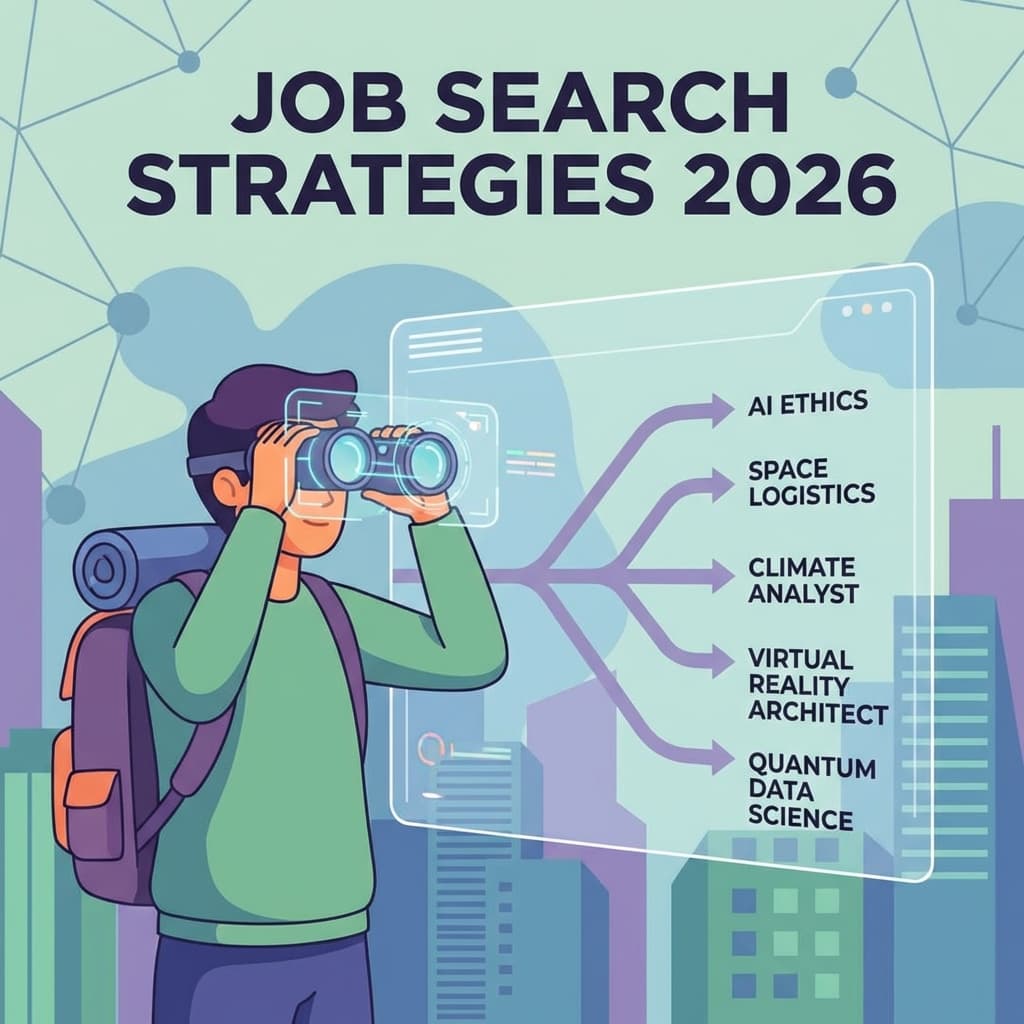
The job market in 2026 is more competitive and complex than ever. Simply uploading your resume to job boards and waiting for responses is a recipe for frustration. The average job seeker applies to 100+ positions before landing an offer, but those who use strategic approaches land jobs in half the time. This comprehensive guide reveals the job search strategies that actually work in today's market.
The Hidden Job Market
Studies show that 70-80% of jobs are never publicly advertised. They're filled through referrals, internal promotions, or direct outreach before a job posting ever goes live. Your strategy must focus on accessing this hidden job market, not just applying to posted positions.
Strategy 1: The Targeted Approach (Not Spray and Pray)
Most job seekers make the mistake of applying to hundreds of jobs with the same generic resume. This approach has a 1-2% success rate. Instead, use the targeted approach:
The Targeted Job Search Framework:
- Identify 10-15 target companies: Research companies where you'd genuinely want to work. Consider culture, mission, growth trajectory, and role opportunities.
- Deep dive into each company: Follow them on LinkedIn, read their blog, understand their challenges, know their competitors, and identify key decision-makers.
- Customize everything: Tailor your resume and cover letter specifically for each company, referencing their initiatives, values, and needs.
- Find connections: Look for mutual connections on LinkedIn, alumni from your school, or people in your network who can introduce you.
- Apply strategically: Apply through the company website AND reach out directly to hiring managers or recruiters on LinkedIn.
Success Rate: This approach has a 20-30% interview rate vs. 1-2% for mass applications. Quality over quantity wins.
Strategy 2: Leverage LinkedIn Like a Pro
LinkedIn is the most powerful job search tool available, but most people use it wrong. Here's how to maximize it:
Optimize Your LinkedIn Profile
✓ Professional Headshot
Profiles with photos get 21x more views. Use a professional, friendly headshot with good lighting and neutral background.
✓ Compelling Headline
Don't just list your job title. Use: "[Your Role] | [Key Skill] | [Value Proposition]"
Example: "Marketing Manager | Digital Strategy Expert | Helping B2B SaaS Companies Scale Revenue"
✓ Keyword-Rich About Section
Write 3-5 paragraphs about your expertise, achievements, and what you're looking for. Include industry keywords for searchability.
✓ Open to Work Feature
Enable "Open to Work" but set it to "Recruiters only" if you're currently employed. This signals availability without alerting your current employer.
Active LinkedIn Job Search Tactics
- →Engage with content daily: Comment thoughtfully on posts from your target companies and industry leaders. This increases visibility.
- →Share valuable content: Post 2-3 times per week about industry trends, insights, or your professional experiences.
- →Use LinkedIn's job search filters: Set up job alerts for specific titles, companies, and locations. Apply within 24 hours of posting.
- →Connect strategically: Send personalized connection requests to recruiters, hiring managers, and employees at target companies.
- →Message recruiters directly: Don't just apply—send a brief, professional message to the recruiter explaining your interest.
Strategy 3: The Multi-Channel Approach
Don't rely on just one job search method. Use multiple channels simultaneously:
Online Job Boards (25% of effort)
- LinkedIn Jobs
- Indeed
- Glassdoor
- Industry-specific boards
- Company career pages
Networking (40% of effort)
- Informational interviews
- Industry events/conferences
- Alumni networks
- Professional associations
- LinkedIn outreach
Direct Outreach (25% of effort)
- Email hiring managers directly
- Cold outreach on LinkedIn
- Contact recruiters
- Reach out to employees
Recruiters (10% of effort)
- Executive search firms
- Industry-specific recruiters
- Staffing agencies
- Internal company recruiters
Strategy 4: The Informational Interview Approach
One of the most underutilized yet effective strategies is the informational interview. Instead of asking for a job, ask for advice:
Informational Interview Script:
Subject: Seeking Career Advice from [Their Company] Professional
Hi [Name],
I came across your profile while researching [Company/Industry] and was impressed by your background in [specific area]. I'm currently exploring opportunities in [field] and would greatly value your insights.
Would you be open to a brief 15-20 minute call? I'd love to learn about your career path and get your perspective on [specific topic related to their expertise].
I understand you're busy, so I'm happy to work around your schedule. Thank you for considering!
Best,
[Your Name]
Why this works: People love giving advice. 80% of professionals will agree to informational interviews. These conversations often lead to job referrals, insider information about openings, or direct introductions to hiring managers.
Strategy 5: Optimize Your Application Timing
When you apply matters almost as much as how you apply:
Best Times to Apply:
- Within 24-48 hours of posting: Early applicants get more attention. Set up job alerts and apply immediately.
- Tuesday-Thursday mornings: Recruiters are most active mid-week. Avoid Monday (catching up) and Friday (winding down).
- 6-10 AM local time: Your application appears at the top of their inbox when they start their day.
- Avoid holidays and weekends: Your application gets buried or overlooked.
Strategy 6: Track Everything Systematically
Treat your job search like a project. Use a spreadsheet or tool to track:
Job Search Tracker Template:
| Company | Position | Date Applied | Contact | Status | Follow-Up Date | Notes |
|---|---|---|---|---|---|---|
| TechCorp | Senior Dev | 01/15/26 | Jane Smith | Interview Scheduled | 01/22/26 | 2nd round |
Strategy 7: Build Your Personal Brand
In 2026, your online presence is your resume. Build credibility and visibility:
- →Start a blog or newsletter: Share industry insights, demonstrate expertise
- →Contribute to publications: Write guest posts for industry blogs or Medium
- →Speak at events: Present at meetups, webinars, or conferences
- →Create content: YouTube videos, podcasts, or social media content in your niche
- →Build a portfolio: Showcase your work, projects, and case studies
Common Job Search Mistakes to Avoid
❌ Applying to Jobs You're Not Qualified For
If you meet less than 70% of requirements, you're wasting time. Focus on roles where you're a strong match.
❌ Using the Same Resume for Every Application
Customize your resume for each role. ATS and recruiters can tell when you've sent a generic application.
❌ Not Following Up
80% of candidates never follow up after applying. A polite follow-up email can move you to the top of the pile.
❌ Neglecting Your Network
70% of jobs come from networking. If you're only applying online, you're missing the majority of opportunities.
❌ Giving Up Too Soon
The average job search takes 3-6 months. Persistence and consistency are key to success.
Start with a Strong Resume
Before implementing these strategies, ensure your resume is polished and professional. Banana Resume helps you create ATS-optimized resumes that get past filters and impress hiring managers.
Build Your Professional ResumeConclusion
Job searching in 2026 requires a strategic, multi-faceted approach. The days of simply submitting applications and waiting are over. Success comes from targeting the right companies, leveraging your network, optimizing your online presence, and being persistent and systematic in your approach.
Remember: quality beats quantity. It's better to apply to 20 carefully selected positions with customized applications and follow-up than to blindly apply to 200 jobs. Focus your energy where it will have the most impact, and the results will follow.